![big sign edit 3 [recovered] (1).pdf](https://gardenofedenoliveoilcompany.com/wp-content/uploads/2024/06/cropped-big-sign-edit-3-Recovered-1.pdf-1-scaled-420x124.png)

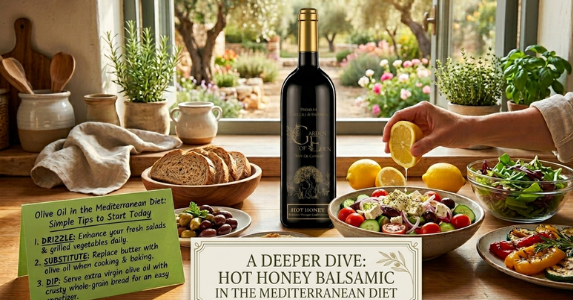
The Mediterranean diet is more than just a trend. It is a time tested way of eating that has been followed for centuries across countries like Greece, Italy, and Spain. Known for its balance, simplicity, and focus on natural foods, this dietary pattern is consistently linked to longer life expectancy and reduced risk of chronic diseases. At the center of this lifestyle is one powerful and versatile ingredient: olive oil.
If you are looking to make meaningful improvements to your health without following restrictive diets, understanding the role of olive oil in the Mediterranean diet is a great place to begin. This detailed guide will help you understand its importance, benefits, and practical ways to start incorporating it into your daily routine.
Understanding the Mediterranean Diet
The Mediterranean diet is based on traditional eating habits of people living near the Mediterranean Sea. Instead of focusing on calorie counting or strict rules, it emphasizes whole, nutrient rich foods and mindful eating.
The key components include:
- Abundant intake of vegetables, fruits, and leafy greens
- Whole grains such as oats, brown rice, and whole wheat
- Healthy fats primarily from olive oil
- Moderate consumption of fish and seafood
- Limited intake of red meat and processed foods
- Use of herbs and spices instead of excess salt
- Regular physical activity and shared meals
This approach promotes not just physical health but also a balanced lifestyle.
The Historical and Cultural Significance of Olive Oil
Olive oil has been a staple in Mediterranean cultures for thousands of years. It is not only used in cooking but also holds cultural, medicinal, and even religious significance. Ancient civilizations valued olive oil for its healing properties and nutritional value.
In modern times, scientific research has confirmed what these cultures have long known. Olive oil is one of the healthiest fats available and plays a crucial role in preventing disease and promoting overall well being.
Nutritional Profile of Olive Oil
Olive oil, especially extra virgin olive oil, is rich in essential nutrients that support various bodily functions.
Monounsaturated Fats
These healthy fats help reduce bad cholesterol levels and improve heart health. Unlike saturated fats, they do not contribute to plaque buildup in arteries.
Polyphenols and Antioxidants
Olive oil contains powerful compounds such as polyphenols that protect cells from damage caused by free radicals. These antioxidants also help reduce inflammation, which is a major factor in many chronic diseases.
Vitamin E and K
These vitamins support skin health, immune function, and proper blood clotting.
Because of this unique composition, olive oil is not just a cooking ingredient but a functional food that contributes to long term health.
Health Benefits of Olive Oil in the Mediterranean Diet
Supports Heart Health
One of the most well documented benefits of olive oil is its ability to improve cardiovascular health. It helps lower LDL cholesterol while maintaining or increasing HDL cholesterol. This reduces the risk of heart attacks and strokes.
Reduces Inflammation
Chronic inflammation is linked to conditions such as arthritis, diabetes, and certain cancers. Olive oil contains compounds that have anti inflammatory properties similar to some medications.
Aids in Weight Management
Despite being a fat, olive oil can actually help with weight control when used in moderation. It promotes satiety, which reduces overeating and unhealthy snacking.
Improves Brain Function
Regular consumption of olive oil has been associated with better cognitive function and a lower risk of neurodegenerative diseases.
Enhances Digestive Health
Olive oil supports gut health by promoting healthy digestion and reducing the risk of issues such as constipation.
Choosing the Right Olive Oil
Not all olive oils are created equal. Selecting high quality olive oil is essential to fully benefit from its nutritional properties.
Extra Virgin Olive Oil
This is the purest form of olive oil. It is extracted without heat or chemicals, preserving its nutrients and flavor. It is ideal for salads, dips, and low to medium heat cooking.
Virgin Olive Oil
A slightly lower grade than extra virgin but still a good option for cooking.
Refined Olive Oil
This type undergoes processing and loses many of its beneficial compounds. It is less flavorful and less nutritious.
When shopping, look for labels that indicate cold pressed or extra virgin to ensure quality.
Simple Tips to Start Using Olive Oil Today
Adopting the Mediterranean diet does not require drastic changes. Small, consistent steps can make a big difference.
Replace Unhealthy Fats
Swap butter, margarine, and vegetable oils with olive oil in your cooking. This simple change can significantly improve your fat intake.
Upgrade Your Breakfast
Drizzle olive oil over whole grain toast, eggs, or avocado. It adds flavor and provides long lasting energy.
Create Healthy Salad Dressings
Mix olive oil with lemon juice, vinegar, garlic, and herbs for a fresh and nutritious dressing.
Use It for Cooking
Olive oil is suitable for sautéing vegetables, cooking lean proteins, and preparing pasta dishes. It enhances both taste and nutritional value.
Add to Soups and Stews
A small amount of olive oil added at the end of cooking can elevate the flavor of soups and stews.
Practice Mindful Eating
The Mediterranean lifestyle encourages enjoying meals slowly and socially. Pair olive oil rich dishes with fresh ingredients and balanced portions.
Common Mistakes to Avoid
While olive oil is highly beneficial, there are some common mistakes people make when incorporating it into their diet.
- Using low quality or heavily processed olive oil
- Overheating olive oil to very high temperatures
- Consuming excessive amounts without balancing calorie intake
- Ignoring proper storage which can degrade quality
Store olive oil in a cool, dark place and use it within a reasonable time to maintain freshness.
A Sample One Day Mediterranean Meal Plan with Olive Oil
To help you get started, here is a simple example of how olive oil can be included throughout your day.
Breakfast
Whole grain toast with avocado, tomatoes, and a drizzle of olive oil, served with a boiled egg
Lunch
Grilled chicken salad with mixed greens, cucumbers, olives, and olive oil dressing
Snack
Fresh fruit with a handful of nuts
Dinner
Baked fish with roasted vegetables tossed in olive oil and herbs
Dessert
Greek yogurt with honey and berries
This balanced approach ensures you receive nutrients from various sources while benefiting from olive oil at every meal.
How Garden of Eden Olive Oil Company Supports Your Mediterranean Journey
Incorporating olive oil into your diet is only effective if you are using a high quality product. Garden of Eden Olive Oil Company provides premium olive oils that are carefully sourced and produced to retain their natural nutrients and flavor. Their focus on quality ensures that each bottle contains rich antioxidants and beneficial compounds that support overall health.
For individuals starting the Mediterranean diet, having access to reliable and authentic olive oil makes the transition easier and more enjoyable. Whether you are preparing simple home cooked meals or experimenting with Mediterranean recipes, their olive oils offer consistency, taste, and nutritional value that align perfectly with a healthy lifestyle.
Long Term Lifestyle Benefits
Adopting the Mediterranean diet with olive oil as a central component offers long term advantages beyond immediate health improvements.
- Reduced risk of chronic diseases
- Better energy levels throughout the day
- Improved mental clarity and mood
- Sustainable and enjoyable eating habits
- Greater appreciation for natural and wholesome foods
This is not a temporary diet but a lifelong approach to wellness.
Final Thoughts
Olive oil is the foundation of the Mediterranean diet and one of the simplest ways to improve your eating habits. Its rich nutritional profile, versatility, and proven health benefits make it an essential addition to any kitchen.
Starting today, you can take small but meaningful steps by replacing unhealthy fats, enhancing your meals with olive oil, and choosing high quality products. Over time, these changes can lead to lasting improvements in your health and well being.
Embrace the Mediterranean way of life with olive oil at its core and enjoy a healthier, more balanced future.