

When it comes to everyday wellness, small choices can make a meaningful difference. The foods we use regularly can provide important nutrients and compounds that support the body’s natural functions. One food that has gained significant attention for its nutritional value is extra virgin olive oil, especially varieties that are naturally rich in polyphenols.
Polyphenol-rich olive oil is more than a flavorful ingredient for salads, vegetables, breads, and everyday meals. It contains naturally occurring plant compounds known for their antioxidant properties. These compounds are one reason extra virgin olive oil is an important part of the traditional Mediterranean diet and continues to attract interest from people looking for simple ways to make more nutritious food choices.
But what exactly are olive oil polyphenols, and why are they important?
Polyphenols are naturally occurring compounds found in many plants. In olive oil, they contribute to its flavor, aroma, and stability. Depending on the olives, harvesting methods, processing techniques, storage conditions, and other factors, the amount and type of polyphenols can vary from one olive oil to another.
Choosing a high-quality, polyphenol-rich olive oil can therefore be a practical way to add antioxidant-containing foods to your everyday eating routine.
In this guide, we will explore 7 potential benefits of polyphenol-rich olive oil for everyday wellness, how olive oil polyphenols work, what to look for when choosing an oil, and simple ways to include it in your daily meals.
What Is Polyphenol-Rich Olive Oil?
Polyphenol-rich olive oil is olive oil that contains a relatively high concentration of naturally occurring polyphenolic compounds. These compounds are produced by the olive tree as part of the plant’s natural defense system.
Extra virgin olive oil is particularly interesting because it is produced using mechanical methods rather than extensive chemical processing. When the olives are harvested, processed, and stored properly, some of their naturally occurring compounds can remain in the finished oil.
The polyphenols found in olive oil include compounds such as oleuropein derivatives, hydroxytyrosol, tyrosol, and oleocanthal. These compounds have been studied for their antioxidant and other biological properties.
One of the easiest ways to understand the appeal of high-polyphenol olive oil is to think of it as a food that combines healthy monounsaturated fats with naturally occurring plant compounds.
The result is a versatile ingredient that can fit into a balanced diet while also adding flavor to everyday foods.
1. Provides Antioxidant Support
One of the most discussed benefits of polyphenol-rich olive oil is its antioxidant content.
Every day, the body naturally produces molecules known as free radicals. These molecules are part of normal biological processes, but excessive oxidative stress can occur when there is an imbalance between free radicals and the body’s antioxidant defenses.
Antioxidants help protect cells from oxidative damage. Polyphenols are among the naturally occurring compounds that can contribute to antioxidant activity.
Olive oil polyphenols such as hydroxytyrosol have received particular scientific interest because of their antioxidant properties. The European Food Safety Authority has also recognized a relationship between olive oil polyphenols and protection of blood lipids from oxidative stress when the required conditions are met.
This does not mean olive oil is a cure or treatment for disease. Rather, it can be one nutritious component of an overall eating pattern that includes fruits, vegetables, whole grains, legumes, nuts, seeds, and other plant foods.
How to Include More Antioxidant-Rich Olive Oil
You can use polyphenol-rich olive oil as a finishing oil for:
- Fresh salads
- Roasted vegetables
- Whole grain dishes
- Beans and lentils
- Grilled fish
- Soups
- Mediterranean-style dips
- Whole grain bread
- Homemade dressings
Using flavorful olive oil can also make nutritious foods more enjoyable, which may make it easier to maintain healthy eating habits over time.
2. Supports Cardiovascular Wellness
Heart health is another important reason olive oil has become a popular part of nutrition-focused diets.
Extra virgin olive oil is rich in monounsaturated fat, particularly oleic acid. Replacing some sources of saturated fat with unsaturated fats can support healthier dietary patterns.
Olive oil also contains naturally occurring polyphenols, which are being studied for their potential role in cardiovascular wellness.
A heart-conscious diet is not based on one ingredient alone. Instead, it involves an overall pattern that includes plenty of vegetables and fruits, whole grains, legumes, nuts, seeds, fish, and healthy sources of unsaturated fats.
The Mediterranean diet is a well-known example of this approach, and extra virgin olive oil is one of its central ingredients.
Why Fat Quality Matters
Not all dietary fats have the same nutritional profile. Replacing foods high in saturated fats with foods containing unsaturated fats can be a useful dietary strategy.
For example, you might use extra virgin olive oil instead of butter for certain cooking or finishing applications. You can also use it in homemade salad dressings instead of highly processed dressing options.
The goal is not simply to add more oil to your diet. The goal is to make thoughtful substitutions and choose quality sources of fat.
3. May Help Support a Balanced Inflammatory Response
Inflammation is a natural part of the body’s immune response. It plays an important role in protecting the body and responding to injury or infection.
However, long-term inflammatory processes are associated with many aspects of chronic disease, which is why researchers continue to study foods and dietary patterns that may influence inflammatory pathways.
Certain olive oil polyphenols have demonstrated biological activity in laboratory and human research. One compound that has attracted attention is oleocanthal, a phenolic compound naturally found in some extra virgin olive oils.
The amount of these compounds can vary considerably between olive oils. The intensity of an olive oil’s flavor can sometimes provide a clue about its phenolic content. A peppery or slightly bitter sensation in the throat is commonly associated with some phenolic compounds, although taste alone cannot reliably determine the exact polyphenol concentration.
A diet that regularly includes plant-rich foods and healthy fats may contribute to an overall eating pattern that supports general wellness.
An Important Reminder
Polyphenol-rich olive oil should not be viewed as a medication or replacement for medical treatment. Its potential benefits are best understood as part of a balanced lifestyle that includes nutritious food, physical activity, adequate sleep, and appropriate healthcare.
4. Supports Healthy Aging and Cellular Protection
Healthy aging involves many factors, including genetics, physical activity, sleep, stress management, and diet.
Nutrition plays an important role because the body requires a steady supply of nutrients and beneficial plant compounds to maintain normal cellular functions.
The antioxidant properties of olive oil polyphenols are one reason they are being studied in relation to healthy aging. By helping protect against oxidative stress, antioxidant-rich foods may contribute to an overall diet that supports cellular health.
Extra virgin olive oil also provides vitamin E and other naturally occurring compounds, depending on the oil and how it is produced and stored.
Rather than relying on a single food to promote healthy aging, it is better to build meals around a wide variety of nutrient-dense foods.
A simple Mediterranean-inspired meal could include:
- Leafy green vegetables
- Tomatoes
- Beans or lentils
- Whole grains
- Fresh herbs
- Nuts or seeds
- Fish
- Extra virgin olive oil
This combination provides a wide variety of nutrients and plant compounds.
5. Can Be Part of a Brain-Friendly Eating Pattern
The brain requires energy and healthy fats to function properly. Diets that emphasize unsaturated fats, vegetables, fruits, whole grains, legumes, nuts, and fish are frequently studied for their relationship with cognitive and brain health.
Extra virgin olive oil is an important source of monounsaturated fat and contains numerous minor compounds, including polyphenols.
Research into olive oil and cognitive health is ongoing, and it is important not to overstate what any individual food can accomplish. However, incorporating extra virgin olive oil into a nutrient-rich eating pattern is a simple dietary choice that can support an overall approach to wellness.
Easy Ways to Use Olive Oil in a Brain-Friendly Diet
Try adding a drizzle of extra virgin olive oil to:
- Vegetable salads
- Avocado toast
- Chickpea bowls
- Lentil soups
- Grilled vegetables
- Whole grain pasta
- Roasted sweet potatoes
- Homemade hummus
Combining olive oil with other nutrient-rich foods is an easy way to create flavorful meals without relying heavily on processed ingredients.
6. Helps Make Healthy Foods More Enjoyable
Wellness is not only about nutrients. Sustainable eating habits also depend on taste, enjoyment, convenience, and variety.
A high-quality olive oil can dramatically improve the flavor of simple foods.
Fresh vegetables can become more appealing with a drizzle of fruity extra virgin olive oil. A piece of whole grain bread can become a simple snack when paired with olive oil and herbs. A basic salad can become more flavorful with olive oil, lemon juice, garlic, and herbs.
This matters because people are more likely to maintain eating habits that they genuinely enjoy.
Polyphenol-rich olive oils often have distinctive sensory characteristics. Depending on the variety and harvest, you may notice fruity aromas, bitterness, herbal notes, or a peppery finish.
These characteristics are not necessarily signs that something is wrong with the oil. In quality extra virgin olive oil, bitterness and pepperiness can be desirable characteristics associated with naturally occurring phenolic compounds.
7. Fits Easily Into an Everyday Wellness Routine
Perhaps one of the biggest advantages of polyphenol-rich olive oil is how easy it can be to incorporate into daily meals.
You do not need complicated recipes or a major lifestyle change.
A few simple habits can make olive oil part of your regular routine.
At Breakfast
Use extra virgin olive oil on:
- Avocado toast
- Eggs
- Whole grain bread
- Tomato toast
- Vegetable omelets
At Lunch
Add olive oil to:
- Salads
- Grain bowls
- Chickpea salads
- Lentil dishes
- Vegetable wraps
- Homemade dressings
At Dinner
Use it with:
- Roasted vegetables
- Grilled fish
- Chicken
- Pasta
- Beans
- Soups
- Mediterranean-style dishes
As a Snack
Try dipping whole grain bread into extra virgin olive oil with herbs and spices.
The versatility of olive oil makes it one of the easiest healthy fats to incorporate into everyday meals.
Polyphenol Olive Oil Set for Everyday Wellness
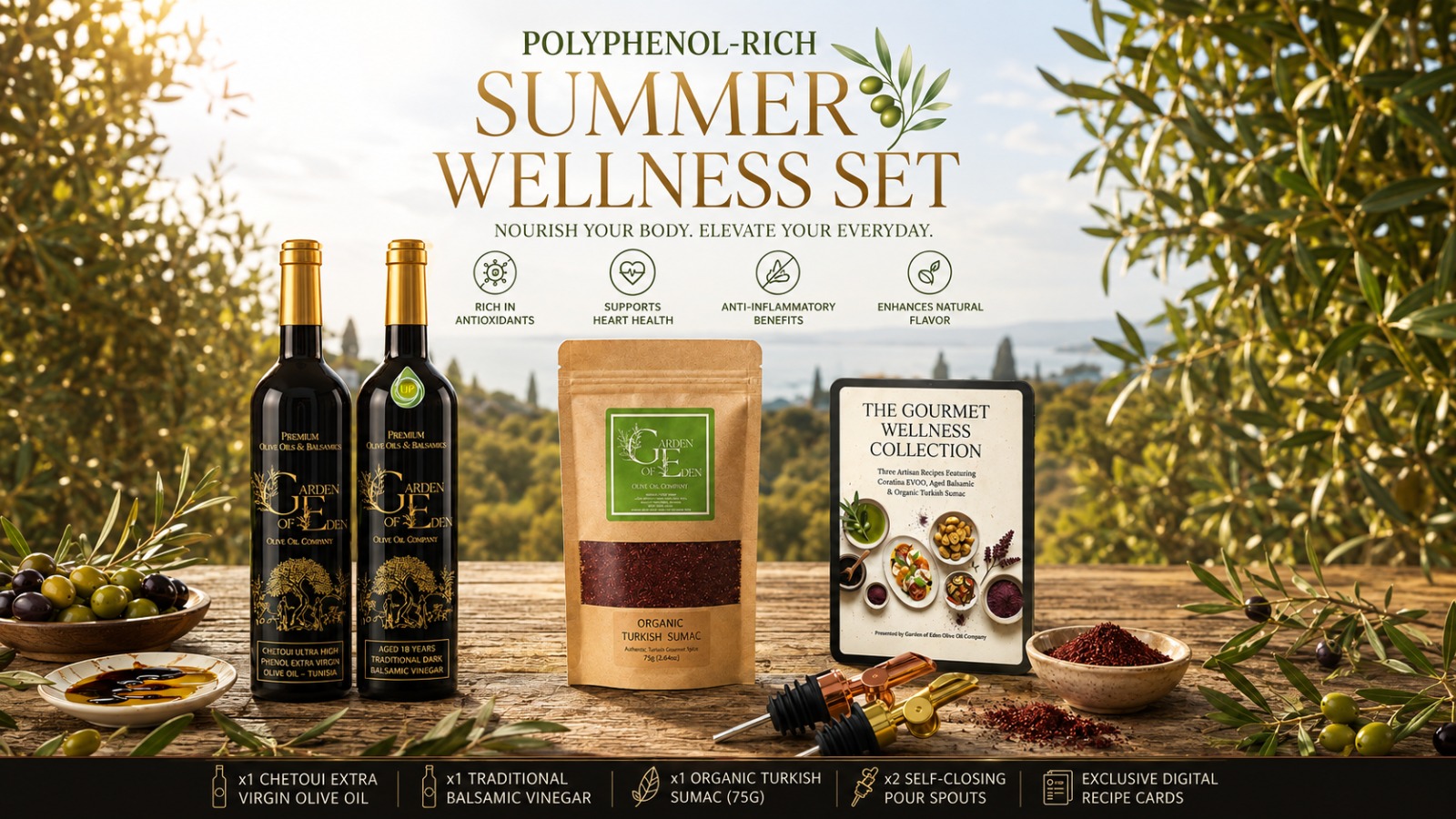
For people who want to explore the benefits and flavor of polyphenol-rich olive oil, a dedicated olive oil set can be a convenient option. The Polyphenol Olive Oil Set from Garden of Eden Olive Oil is designed for those interested in making high-quality olive oil part of their everyday food and wellness routine.
A polyphenol-focused olive oil set can also make a thoughtful choice for people who enjoy cooking, experimenting with Mediterranean-inspired recipes, or learning more about the natural compounds found in extra virgin olive oil. Instead of treating olive oil as just another pantry staple, a curated set can encourage you to explore different flavors, food pairings, and ways to use antioxidant-rich olive oil throughout the day.
Whether you are preparing a fresh salad, dipping artisan bread, finishing roasted vegetables, or creating a homemade dressing, incorporating a quality polyphenol-rich olive oil into your meals can make everyday eating more flavorful and intentional. It can also be a practical option for anyone looking to discover the unique taste and culinary character associated with high-polyphenol olive oils.
When choosing a polyphenol olive oil set, look for information about the oil’s origin, harvest, production methods, storage, and any available polyphenol testing or certification. These details can help you make a more informed purchasing decision and choose an oil that matches your preferences and wellness goals.
What Makes Olive Oil High in Polyphenols?
The polyphenol content of olive oil is influenced by several factors.
Olive Variety
Different olive varieties naturally contain different levels and types of phenolic compounds.
Some varieties may produce oils with stronger bitterness and pepperiness, while others may have a softer and fruitier profile.
Harvest Timing
The stage at which olives are harvested can affect the composition of the resulting oil. Early-harvest olives often produce oils with strong flavors and can contain significant amounts of phenolic compounds.
Processing
The way olives are processed can influence how many beneficial compounds remain in the finished oil.
High-quality extra virgin olive oil is produced under conditions designed to preserve the natural characteristics of the olives.
Storage
Olive oil is sensitive to light, heat, and oxygen. Proper storage is important for preserving quality.
For best results, keep olive oil:
- Away from direct sunlight
- In a cool location
- Tightly sealed
- Away from excessive heat
- In suitable packaging
Proper storage can help maintain the oil’s freshness, flavor, and quality for longer.
How to Choose the Best Polyphenol-Rich Olive Oil
If your goal is to purchase a high-polyphenol olive oil, there are several factors worth considering.
Look for Extra Virgin Olive Oil
Extra virgin olive oil is generally the preferred choice when you want an oil with naturally occurring minor compounds such as polyphenols.
Check Harvest Information
Some producers provide a harvest date or harvest season. Fresher oil is generally preferable because olive oil quality can decline over time.
Look for Polyphenol Information
Some premium olive oil producers provide laboratory testing or information about total polyphenol levels.
If polyphenol concentration is important to you, look for transparent information from the producer rather than relying solely on marketing claims.
Consider the Packaging
Dark glass bottles, tins, or other packaging designed to limit exposure to light can help protect olive oil quality.
Pay Attention to Flavor
Fresh extra virgin olive oil can have fruity, grassy, herbal, bitter, or peppery characteristics.
A stale, musty, rancid, or waxy flavor may indicate that the oil is past its best quality.
Polyphenol-Rich Olive Oil vs. Regular Olive Oil
One common question is whether polyphenol-rich olive oil is different from ordinary olive oil.
The main difference is the concentration of naturally occurring phenolic compounds.
All olive oils are not identical. Their nutritional composition depends on factors such as olive variety, cultivation, harvest time, processing, and storage.
Extra virgin olive oil generally retains more of the natural compounds found in olives than more highly refined olive oil.
Polyphenol-rich olive oil specifically emphasizes a higher level of these phenolic compounds.
This makes it particularly appealing to consumers who are interested in the antioxidant characteristics of olive oil as well as its flavor.
Is Polyphenol-Rich Olive Oil Good for You?
Polyphenol-rich olive oil can be a nutritious addition to a balanced diet. It provides monounsaturated fat and naturally occurring plant compounds, including polyphenols.
However, it is important to remember that olive oil is calorie-dense because it is a fat. More is not always better.
The best approach is to use olive oil as part of an overall balanced eating pattern.
Instead of adding large quantities of oil to your existing diet, consider using it to replace less desirable sources of fat where appropriate.
For example, olive oil can be used in place of butter in certain meals or as an alternative to highly processed salad dressings.
Simple Recipes Using Polyphenol-Rich Olive Oil
Mediterranean Tomato Salad
Combine fresh tomatoes, cucumber, red onion, parsley, and olives. Add extra virgin olive oil, lemon juice, and a small amount of salt.
This simple salad provides a refreshing combination of vegetables and healthy fats.
Olive Oil Herb Dip
Pour extra virgin olive oil into a shallow bowl and add dried oregano, basil, black pepper, and a small amount of garlic.
Serve with whole grain or artisan bread.
Roasted Vegetable Bowl
Roast vegetables such as zucchini, peppers, carrots, and cauliflower with olive oil and herbs. Serve with chickpeas or another protein source.
Finish the dish with a small drizzle of fresh extra virgin olive oil for additional flavor.
Simple Olive Oil Salad Dressing
Mix:
- Extra virgin olive oil
- Fresh lemon juice
- Dijon mustard
- Black pepper
- Dried herbs
Shake or whisk the ingredients together and drizzle over your favorite salad.
How Much Olive Oil Should You Use?
There is no single amount that works for everyone.
Your ideal intake depends on your overall diet, energy needs, health goals, and the other sources of fat you consume.
A practical approach is to use olive oil as part of balanced meals rather than consuming it in excessive quantities simply because it is considered healthy.
For personalized dietary advice, especially if you have a medical condition or specific nutritional requirements, speak with a qualified healthcare professional or registered dietitian.
Final Thoughts
Polyphenol-rich olive oil offers a simple way to bring healthy fats, distinctive flavor, and naturally occurring plant compounds into everyday meals.
From antioxidant support and cardiovascular wellness to healthy aging and an enjoyable eating experience, there are several reasons high-polyphenol extra virgin olive oil has become an increasingly popular choice among people interested in nutrition and everyday wellness.
The most important point is that no single food can provide every nutrient the body needs. Instead, the greatest benefits come from building a balanced eating pattern filled with vegetables, fruits, whole grains, legumes, nuts, seeds, quality proteins, and healthy fats.
Adding a high-quality polyphenol-rich olive oil to that routine can be an easy and enjoyable step.
Whether you drizzle it over a fresh salad, use it to finish roasted vegetables, create a homemade dressing, dip bread into it, or incorporate it into Mediterranean-inspired recipes, olive oil can make nutritious meals more flavorful and satisfying.
If you are specifically looking for a polyphenol-focused option, a carefully selected Polyphenol Olive Oil Set from Garden of Eden Olive Oil can be a convenient way to explore this category and make polyphenol-rich olive oil part of your everyday culinary routine.
Ultimately, choosing quality, storing olive oil properly, and using it as part of a varied and balanced diet are the keys to getting the most from this versatile ingredient.
Polyphenol-rich olive oil is not about making wellness complicated. It is about making simple, flavorful food choices that can fit naturally into everyday life.